Automotive Battery Parts Supplier: Complete Guide to Choosing a Reliable Partner for Quality Automotive Power Solutions


The automotive industry is rapidly evolving, driven by electrification, hybrid technology, and increasing demand for energy-efficient vehicles. At the heart of every vehicle—whether petrol, diesel, hybrid, or electric—is a dependable battery system supported by high-quality components. This is where a trusted automotive battery parts supplier becomes essential.

Whether you are an OEM manufacturer, aftermarket distributor, workshop, or EV system integrator, selecting the right supplier ensures performance, safety, durability, and long-term cost efficiency. This guide explains everything you need to know about automotive battery parts suppliers, what they offer, and how to choose the right partner for your business.


What Is an Automotive Battery Parts Supplier?

An automotive battery parts supplier provides essential components used in the manufacturing, repair, maintenance, and assembly of vehicle batteries. These suppliers serve multiple sectors, including passenger vehicles, commercial fleets, electric vehicles (EVs), and industrial automotive applications.

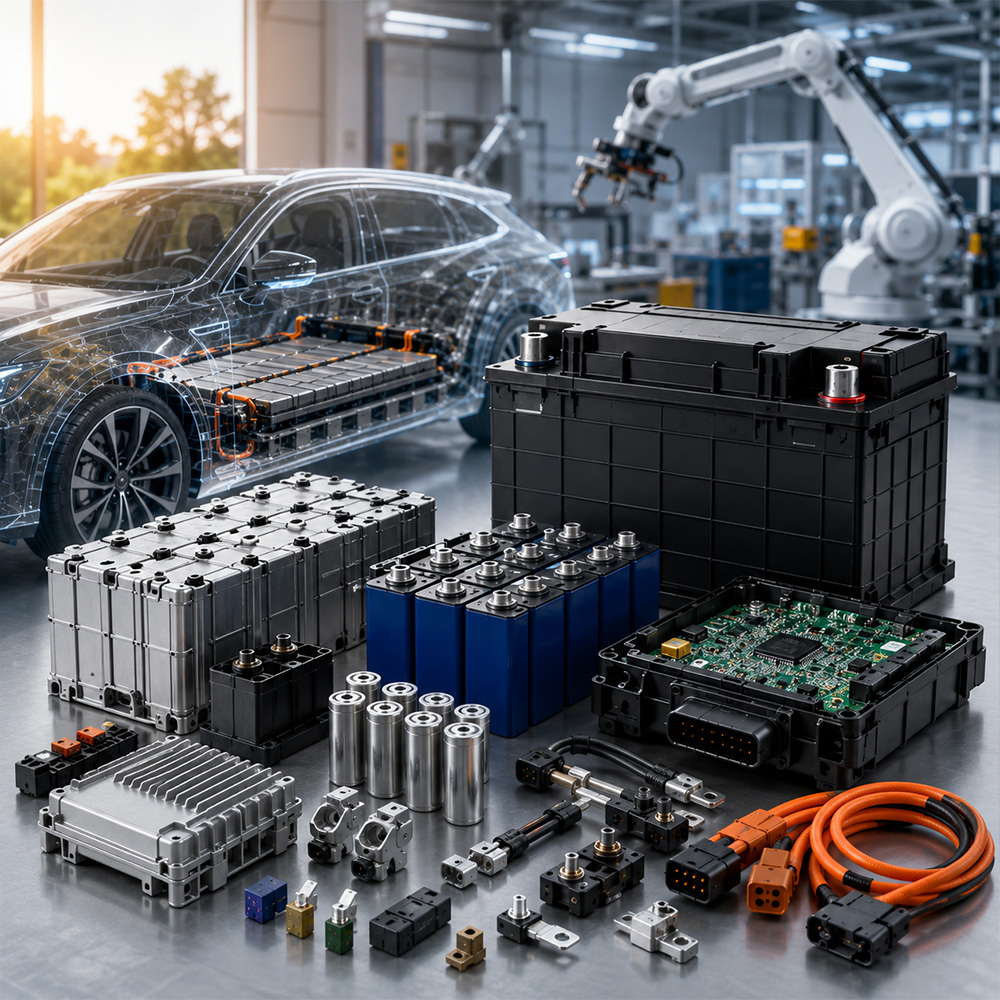
Battery parts may include:
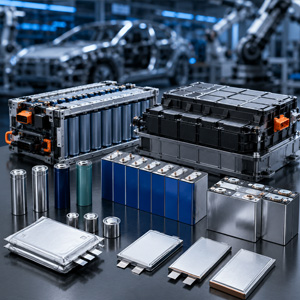
  • Battery cells and modules
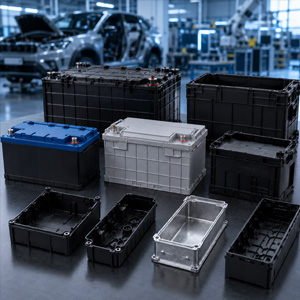
  • Battery casings and housings
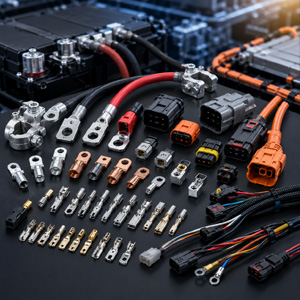
  • Terminals and connectors
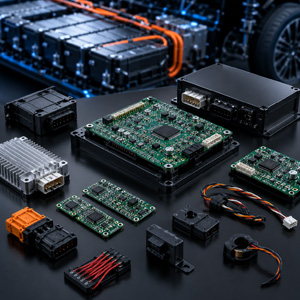
  • Battery management system (BMS) components
  • Cables and wiring harnesses
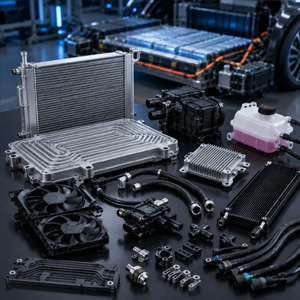
  • Cooling systems for EV batteries
  • Electrolytes and separators
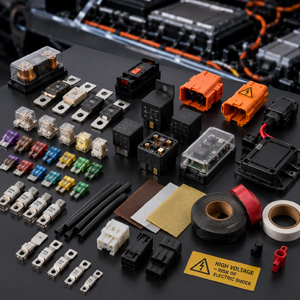
  • Safety fuses and protection components

TA reliable supplier ensures these parts meet international quality and safety standards such as ISO/TS 16949, RoHS, and OEM specifications.

Why Automotive Battery Parts Suppliers Are Critical in Today’s Market

As vehicles become more electrified and digitally controlled, battery systems are no longer simple energy storage units. They are advanced power systems requiring precision engineering and high-quality components.

  1. Rising Demand for Electric Vehicles (EVs)
    The global shift towards EVs has increased demand for specialised battery components such as lithium-ion modules, thermal management systems, and intelligent BMS units.
  2. Reliability and Safety Requirements
    Battery failures can lead to vehicle breakdowns, safety hazards, and costly recalls. High-quality parts reduce risks of overheating, short circuits, and energy inefficiency.
  3. Cost Efficiency in Production and Maintenance
    Automotive manufacturers rely on consistent supply chains to reduce production delays and maintain competitive pricing.
  4. Performance Optimisation
    Quality battery parts improve vehicle range, charging speed, and overall energy efficiency.

Types of Automotive Battery Parts Supplied

A professional automotive battery parts supplier typically offers a wide range of components tailored to different vehicle systems.

Battery Cells and Modules

These are the core energy storage units. Suppliers may provide:

  • Lithium-ion cells for EVs
  • Lead-acid battery cells for conventional vehicles
  • Nickel-metal hydride (NiMH) cells for hybrid systems

Well-known industry players such as Bosch also invest heavily in battery system integration and electrification technologies.


Battery Casings and Enclosures

Casings protect internal components from vibration, heat, and environmental damage. High-quality enclosures improve durability and crash safety performance.


Battery Management System (BMS) Components

A BMS is essential in modern vehicles. It monitors:

  • Voltage levels
  • Temperature control
  • Charging cycles
  • Safety thresholds

Suppliers often provide microcontrollers, sensors, and communication modules for BMS integration.


Connectors, Terminals, and Wiring Systems

These ensure efficient electrical flow between battery components and the vehicle system. Poor-quality connectors can lead to energy loss and overheating.


Thermal Management Systems

Especially important in EVs, these systems regulate battery temperature using cooling plates, liquid cooling circuits, or air-based systems.


Safety Components

These include fuses, relays, insulation materials, and circuit protection systems designed to prevent electrical hazards.

Key Industries That Rely on Battery Parts Suppliers

A professional automotive battery parts supplier serves multiple sectors:

Automotive Manufacturers (OEMs)

OEMs require large-scale, consistent supply of high-quality battery components for vehicle production.

Aftermarket Distributors

These suppliers provide replacement parts for workshops, repair centres, and retail automotive stores.

Electric Vehicle Companies

EV manufacturers depend heavily on advanced lithium-ion systems and intelligent battery management technologies.

Commercial Fleet Operators

Logistics companies, bus operators, and transport providers require durable battery systems for operational efficiency.

How to Choose the Right Automotive Battery Parts Supplier

Selecting the right supplier is a strategic decision that directly impacts product quality, brand reputation, and operational efficiency.

1. Certifications and Quality Standards

Ensure the supplier complies with international standards such as:

  • ISO 9001 quality management
  • IATF 16949 automotive certification
  • RoHS environmental compliance

These certifications indicate strict quality control processes.


2. Technical Capability and Innovation

A strong supplier should offer advanced engineering capabilities, including EV battery innovation, smart BMS systems, and thermal management solutions.

Companies like Clarions (formerly part of Johnson Controls) are known for leading innovation in automotive battery technologies.


3. Supply Chain Reliability

Consistency in delivery is critical. A good supplier should have:

  • Stable raw material sourcing
  • Efficient logistics network
  • Backup manufacturing facilities
  • Strong inventory management

4. Customisation Capabilities

Every automotive application is different. Suppliers should offer customised solutions for:

  • Vehicle type
  • Battery capacity requirements
  • Environmental conditions
  • OEM specifications

5. After-Sales Support

Technical support, warranty handling, and engineering consultation are essential for long-term partnerships.


Automotive Battery Trends Shaping the Industry

Understanding current trends helps businesses choose forward-thinking suppliers.

Electrification and EV Growth

The rapid expansion of EV markets is increasing demand for high-density lithium-ion components.

Smart Battery Systems

Modern batteries now include IoT-enabled monitoring systems for predictive maintenance and performance tracking.

Lightweight Materials

Manufacturers are shifting toward lighter casings and components to improve fuel efficiency and EV range.

Sustainable Battery Production

Environmental regulations are pushing suppliers toward recyclable materials and greener production processes.

Some suppliers, including Exide Technologies, are investing in sustainable battery recycling and circular economy initiatives.

Benefits of Working with a Professional Supplier

Partnering with a reputable automotive battery parts supplier offers several advantages:

  • Improved product reliability and safety
  • Reduced production downtime
  • Better vehicle performance
  • Compliance with global automotive standards
  • Long-term cost savings
  • Access to technical innovation

For businesses in competitive automotive markets such as Malaysia, these benefits translate into stronger brand positioning and increased customer trust.

Automotive Battery Parts Supplier in Malaysia Context

Malaysia is emerging as a key automotive and EV manufacturing hub in Southeast Asia. With growing investment in EV infrastructure and industrial automation, demand for reliable battery components is increasing.

Local manufacturers, assemblers, and distributors are actively seeking suppliers who can provide:

  • Competitive pricing
  • Fast delivery across ASEAN
  • Compliance with international standards
  • Support for both OEM and aftermarket needs

This makes choosing the right regional or global supplier even more important for long-term growth.


High-Intent Buyer Considerations

If you are searching for an automotive battery parts supplier, you are likely looking for:

  • Bulk supply for manufacturing
  • OEM-grade certified components
  • Long-term supply contracts
  • Custom engineering support
  • Competitive pricing with stable quality

Suppliers who can meet all these requirements typically become long-term strategic partners rather than just vendors.


Conclusion

The role of an automotive battery parts supplier is more important than ever in today’s rapidly evolving automotive landscape. From supporting traditional vehicles to enabling the future of electric mobility, these suppliers form the backbone of modern automotive energy systems.

Choosing the right supplier means evaluating quality, innovation, supply chain strength, and technical expertise. Businesses that invest in the right partnership will benefit from improved performance, reduced costs, and stronger competitiveness in both local and global markets.

As the automotive industry continues to shift toward electrification and smart mobility, reliable battery component suppliers will remain a critical driver of success.

FAQs: Automotive Battery Parts Supplier

1. What does an automotive battery parts supplier do?

An automotive battery parts supplier provides components used in vehicle battery systems, including cells, connectors, casings, and battery management systems for OEMs, EV manufacturers, and aftermarket businesses.

2. What types of battery parts are commonly supplied?

Common parts include lithium-ion cells, battery modules, BMS components, terminals, wiring systems, cooling systems, and safety fuses.

3. How do I choose a reliable automotive battery parts supplier?

Look for certifications (ISO, IATF 16949), strong supply chain capability, engineering expertise, customisation options, and proven industry experience.

4. Why are automotive battery parts important for EVs?

They determine vehicle range, charging efficiency, safety performance, and overall battery lifespan, especially in electric and hybrid vehicles.

5. What industries use automotive battery parts suppliers?

They serve automotive OEMs, EV manufacturers, aftermarket repair shops, fleet operators, and industrial vehicle producers.

6. Are automotive battery components standard or custom-made?

Many components are custom designed depending on vehicle type, battery capacity requirements, and OEM specifications.

7. What certifications should a supplier have?

quality, and environmental standards.